




What breaks first: long-term planning
In stable times, health facilities can plan long purchases and steady volumes. When prices shift or shipments are delayed, work turns into short-term management, and gaps appear in items that have no quick substitute.
The most dangerous factor is the "silent cost": conditions that slowly worsen because follow-up care was impossible — not because the treatment does not exist in the world.
How organizations adapt
Practical response depends on a mix of advance planning and in-the-moment flexibility:
- Diversifying supply sources instead of depending on a single one.
- Prioritizing critical items — life-saving medicines first in planning and shipping.
- Considered buffer storage for products with suitable shelf life.
- Transparent availability information so health facilities can adjust their plans.
- Training teams to run clear contingency procedures when networks fail.
The role of patients and communities
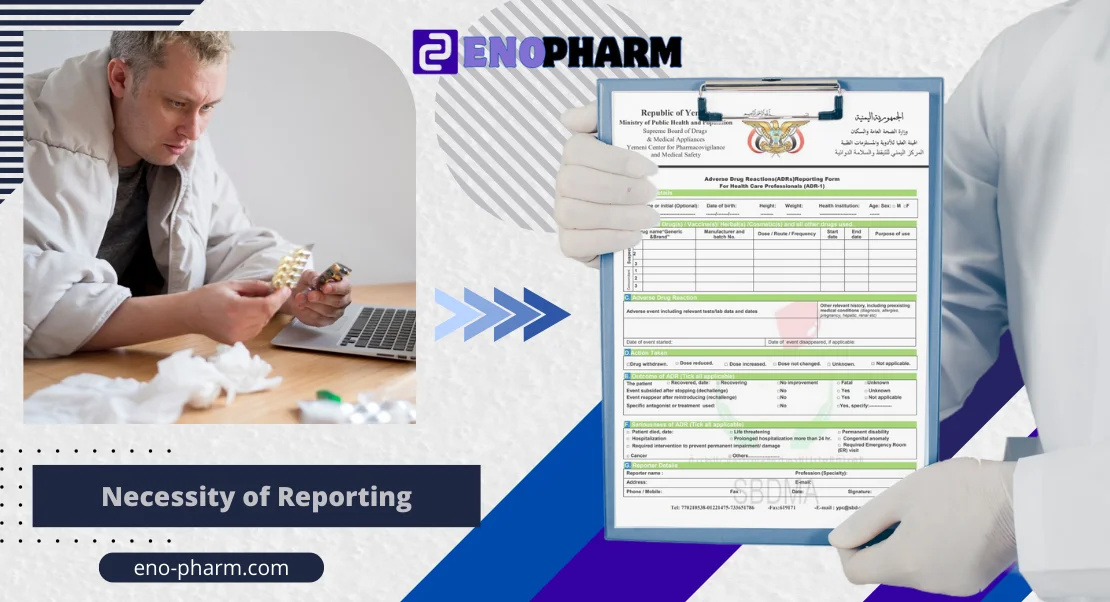
Communities are not silent bystanders. Adhering to available doses, avoiding hoarding out of fear, and reporting genuine shortages through official channels — these behaviors reduce pressure on the chain and help what is available reach more people fairly.
The supply chain behind every health service
When supply chains break, the first thing to decline is not the treatment itself but everything around it: laboratories lose their consumables, intensive-care units lose their disposables, immunisation programmes lose proper cold storage. Delivering care under difficult conditions therefore begins with sourcing, storage, and transport — long before it reaches any patient bed.
These questions grow more sensitive in environments with power cuts, damaged roads, or currency volatility, because every link needs stable conditions: electricity for refrigeration, roads for transport, and the ability to pay suppliers. That is why pharmaceutical-sector professionals care about things patients never see — contingency plans, alternative sources — as much as they care about the medicines themselves.
What supply continuity actually requires
Continuity is not luck; it is the result of decisions made before a crisis: diversified sources so a single supplier failure does not stop supply, safety stock for critical medicines, clear distribution priorities when supply shrinks, and precise documentation that keeps every shipment traceable. These principles apply to large and small organisations alike.
Other practical means include varying transport routes and spreading stock across more than one location so a single event cannot wipe everything out at once. Transparency with partners — manufacturers, health authorities, distributors — remains the basis of coordination: a party that knows the reality early can act before the gap widens, while one that hides it forfeits the chance to cooperate.