






When the medicine is dispensed
Before leaving the pharmacy, confirm the pack bears your name (for prescriptions), and that you know the active ingredient, dose, and timing. Ask: What do I do if I miss a dose? Any medicines or foods to avoid? How do I store it? What alternatives exist if it is unavailable?
At home
Store medicines in one cool, dry place out of children's reach, in their original pack with the leaflet. Tie doses to daily habits (breakfast, bedtime), and use reminders if needed. Review your medicine cabinet every few months and dispose of expired items.
Monitoring and reporting
Watch your body's response: expected improvement, any new symptoms, any unusual changes. Do not stop a medicine on your own out of concern — discuss it with your physician or pharmacist. If you suspect an adverse reaction, report it through dedicated channels with product details.
Medication safety in one picture
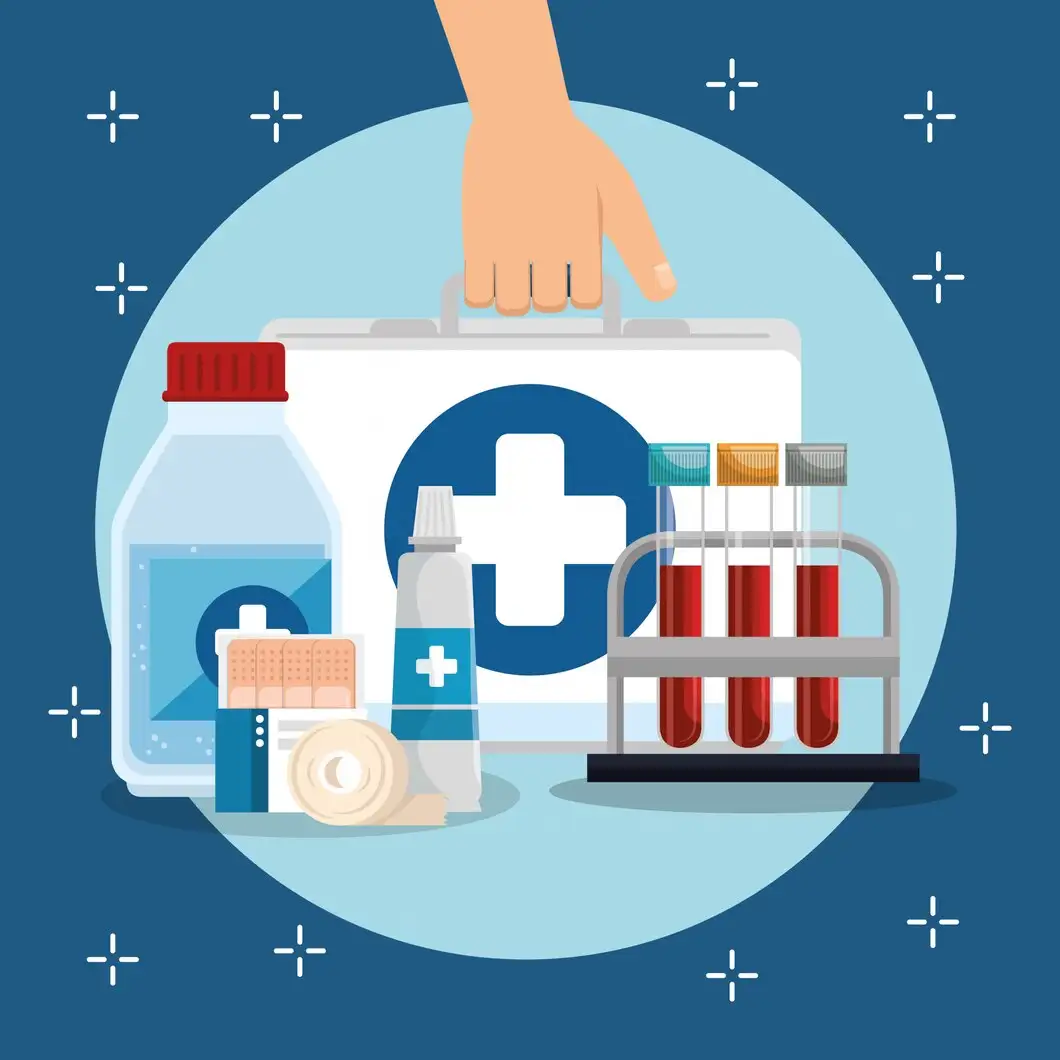
This image gathers the guide's essence: visual organisation of medicines, clear timing, and the right storage place. Such simple tools make correct habits easier than wrong ones and are far more reliable than memory on hectic days.

Your medicine list: the most important safety tool
Write in one place — paper or app: each medicine's name, active ingredient, dose, timing, and why you take it. Add supplements, herbs, and over-the-counter products — they are medicines too and can interact. Update the list at any change, and keep one copy on your phone and one at home.
Its value shows at critical moments: at a new refill the pharmacist checks interactions immediately; in any emergency the team gets an accurate picture instantly; with a doctor change the context transfers without loss. A simple tool that prevents many errors.
Travel and storage: when conditions change
Travel changes medicine conditions: car heat, hotel humidity, flight delays, lost luggage. Carry medicines in your hand luggage, keep original packages rather than pre-filled containers, and take a prescription copy when travelling outside your city.
At home the rule stands: a cool, dry, reachable place — away from a humid bathroom, a hot kitchen, or sunny windows — and out of children's reach. For any medicine needing refrigeration, monitor fridge conditions actively rather than assuming.
Related reading