



The main stages
Details vary by product, but the general path is consistent:
- Manufacturing: producing the medicine in facilities that follow good manufacturing practices, with quality testing on raw materials and the finished product.
- Registration: regulatory review of the medicine's dossier — ingredients, efficacy, safety, labeling — before it may be marketed.
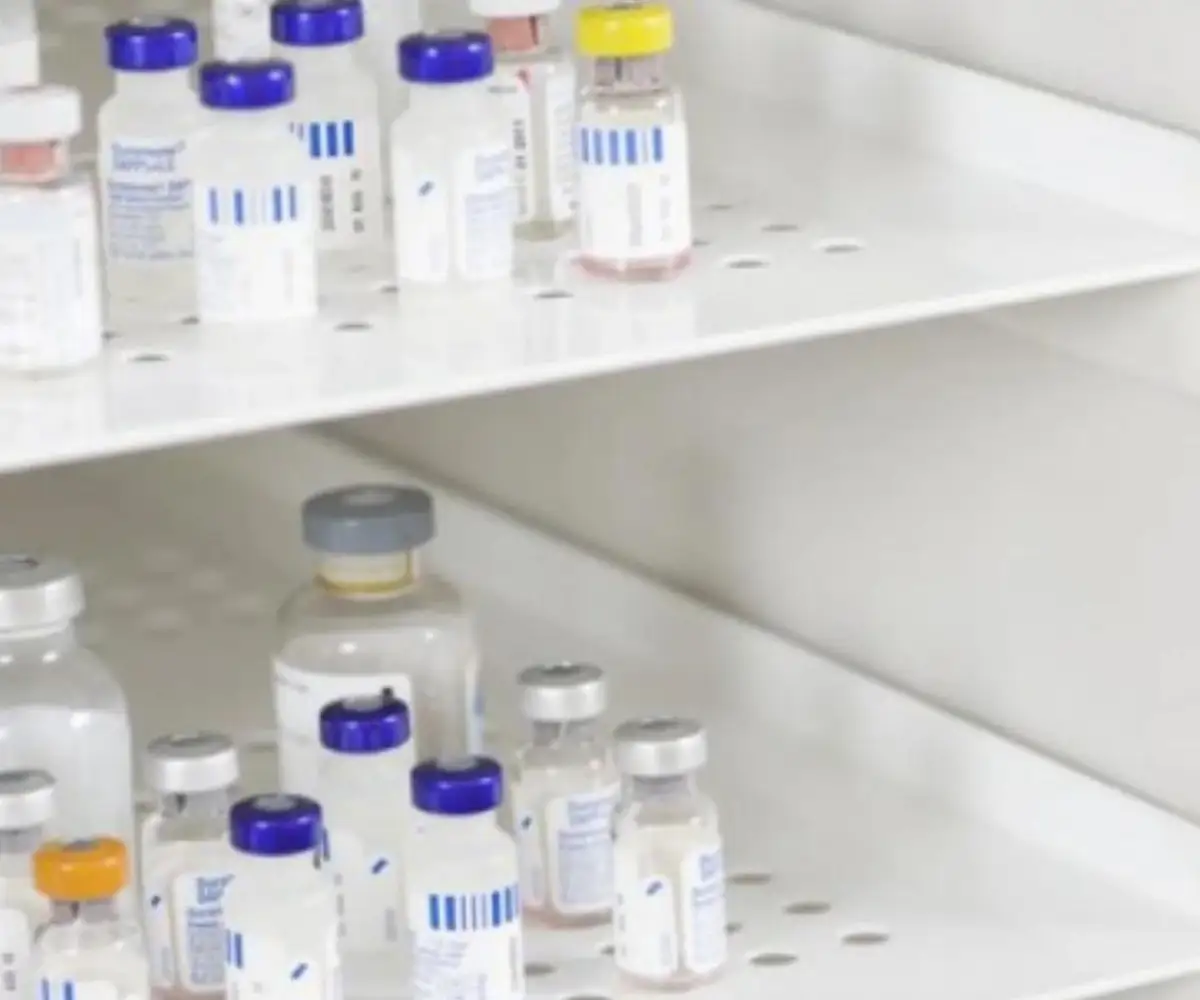
- Storage: keeping the medicine under controlled temperature and humidity, out of children's reach.
- Transport: planned shipping that preserves product integrity, especially for temperature-sensitive items.
- Distribution: delivery to warehouses, then to pharmacies and health facilities.
- Prescription and use: the pharmacist's or physician's decision, followed by the patient's role in correct adherence.
Why do storage and transport conditions matter?
A medicine is a precisely engineered chemical product; excessive heat, humidity, or light can change its effectiveness before the expiry date. That is why the "expiry date" assumes correct storage — it is not an absolute guarantee under any condition.
Your role at the end of the journey
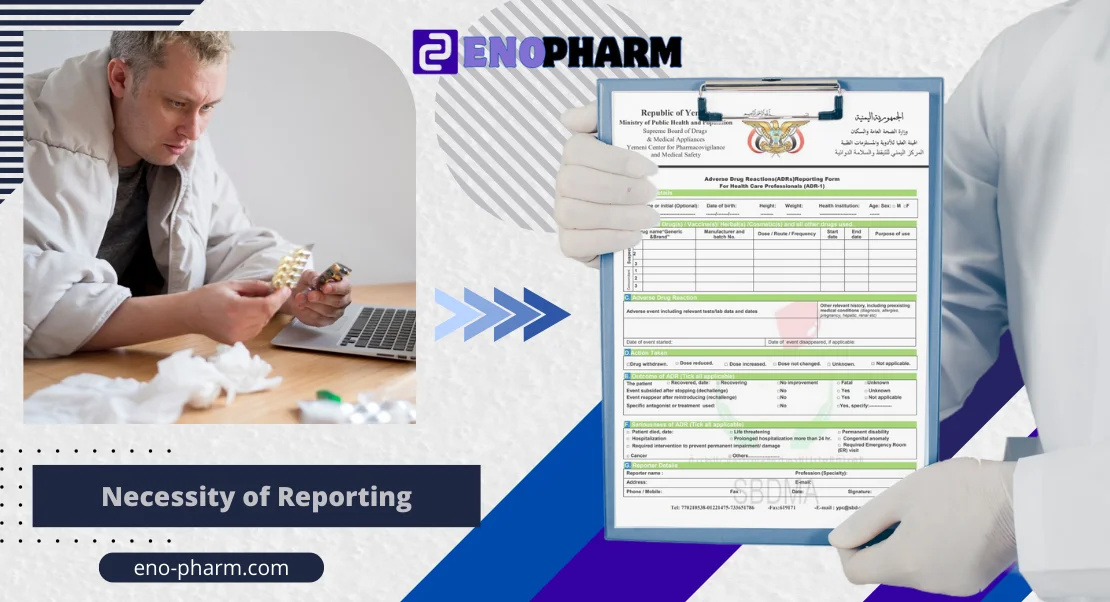
You are at the end of this chain. Reading the label, asking about the active ingredient, and reporting anything unusual about a product through dedicated quality channels — these steps complete the journey and protect patients who come after you.
The cold chain: when a medicine needs specific conditions
Some medicines — vaccines and several biological products among them — lose effectiveness if exposed to temperatures outside their specified range, and the loss may occur before any visible sign appears. These products therefore travel through a continuous cold chain: equipped warehouses, containers that hold the temperature, and devices that record it throughout the journey, so conditions can be reviewed rather than assumed.
The chain continues past the pharmacy: home storage is part of the journey. Follow the temperature instructions on the package, never leave sensitive products in a car or near windows, and ask the pharmacist immediately if you doubt how a sensitive product was transported.
Related reading
Documentation: the memory that protects the whole journey
Every station in a medicine's journey leaves a documented trace: where the shipment came from, which batch it belongs to, what its storage and transport conditions were, and who received it and when. This documentation is not formalism; it is what allows a defective batch to be recalled quickly, any problem's source to be traced, and the product in your hands to be proven — not assumed — to have travelled in the right conditions.
Patients see the trace of documentation in simple details: the batch number on the package, the clearly printed expiry date, and the supplier information. Make a habit of reading these details — they are part of your protection, and any missing detail is worth asking about before use.