



Common causes
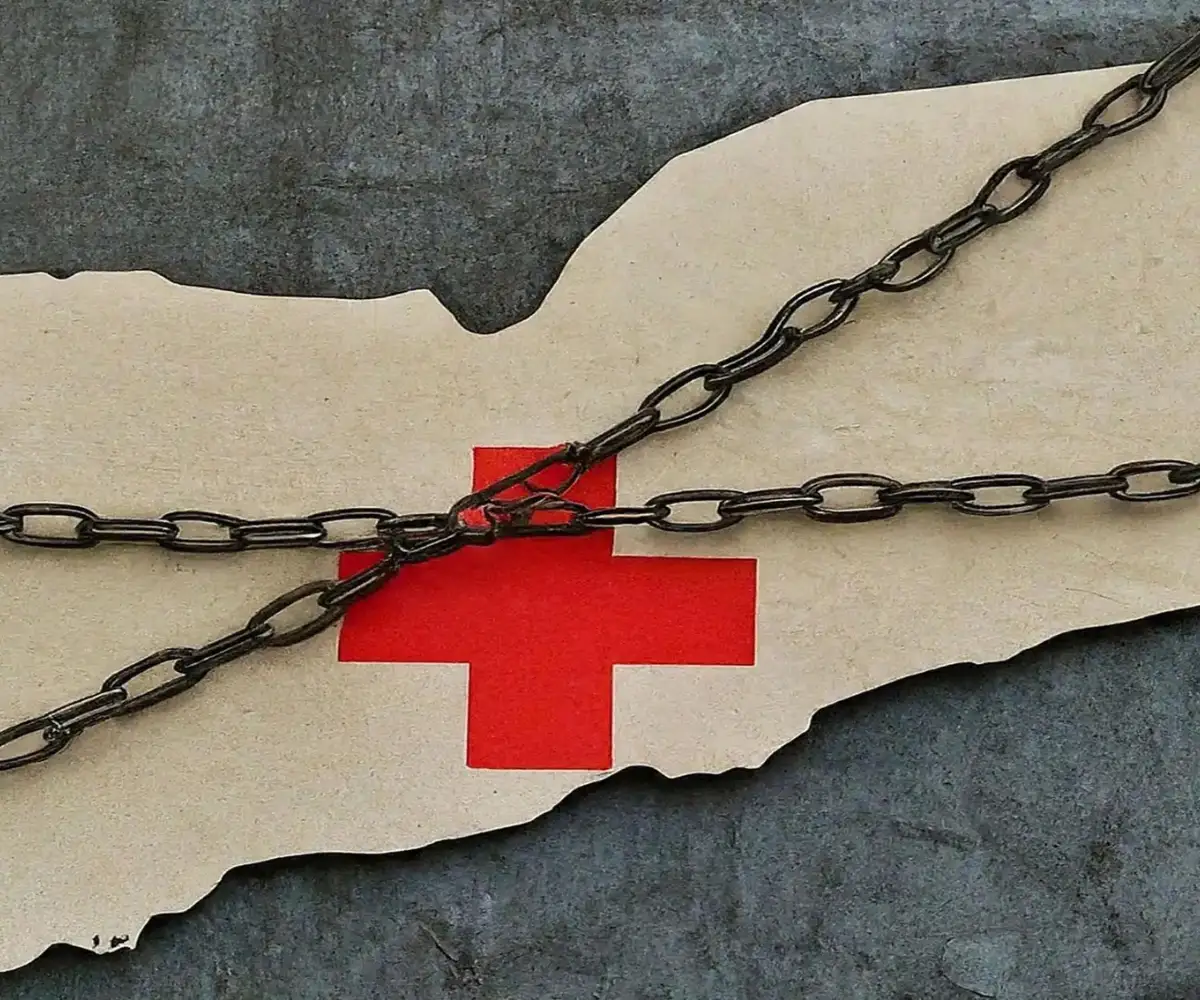
Shortages can arise from:
- Manufacturing problems or global raw-material constraints.
- An production batch halted by a quality finding — a protective measure, not sabotage.
- Sudden demand shifts or hoarding behavior.
- Logistics, regulatory clearance, or shipping challenges.
- Timing of supply orders and currency fluctuations.
What can patients do?
Advance preparation is the strongest tool. Discuss a backup plan with your prescriber or pharmacist before your supply runs out, and keep a list of your medicines, doses, and last prescription dates. During an actual shortage, a pharmacist may suggest an authorized generic with the same active ingredient or contact suppliers — while treatment decisions remain your prescriber's.
Reporting helps everyone
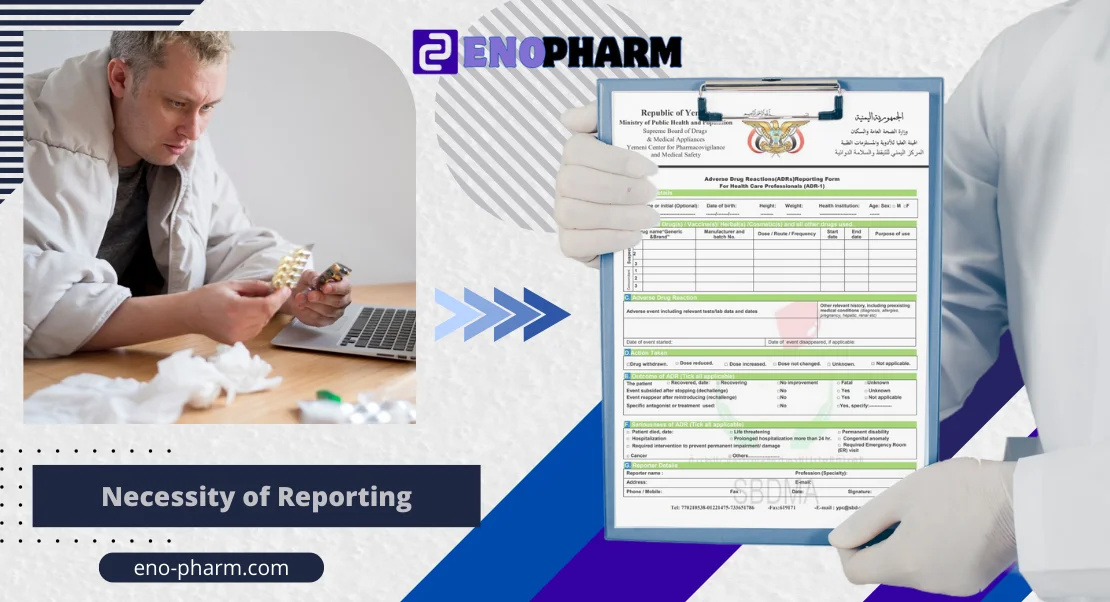
When an item is genuinely unavailable, pharmacies and health facilities can contact specialized suppliers to document the shortage. Transparent information exchange between distributors and pharmacists accelerates gap-filling and prevents purchases based on rumors.
Why shortages are not solved quickly
Making medicine is not a switch to be flipped: a new batch needs available raw materials, production lines already running, complete quality checks before release, then shipment registration and cross-border transport. A problem at the head of this chain travels to its tail, which is why fixing a shortage can take weeks or months even with the best effort.
What is scarce is often scarce because it has few sources to begin with: a small number of factories worldwide serve wide markets, and any halt — for material, production, or logistics reasons — creates a gap that does not fill overnight. Understanding this helps read shortage news through the logic of supply rather than immediate blame.
How systems respond to a shortage
An effective response starts with detection: knowing which products are nearing shortage before it completes, through pharmacy and distributor reports and demand patterns. Then comes supply management: diversifying sources, setting distribution priorities so critical products reach those most in need first, and coordinating with regulatory authorities to speed up registered alternatives when required.
On the treatment level, safety stays the priority: any substitute for a short medicine must come from your doctor's assessment — not a copycat choice at a pharmacy or advice from a friend. A substitute may differ in dose or suitability for your condition, and the right plan is drawn for you, not for shelf availability.
Related reading