




Key challenges
Distribution teams manage several pressures at once:
- Distance and infrastructure: long or variable-quality routes affect delivery times.
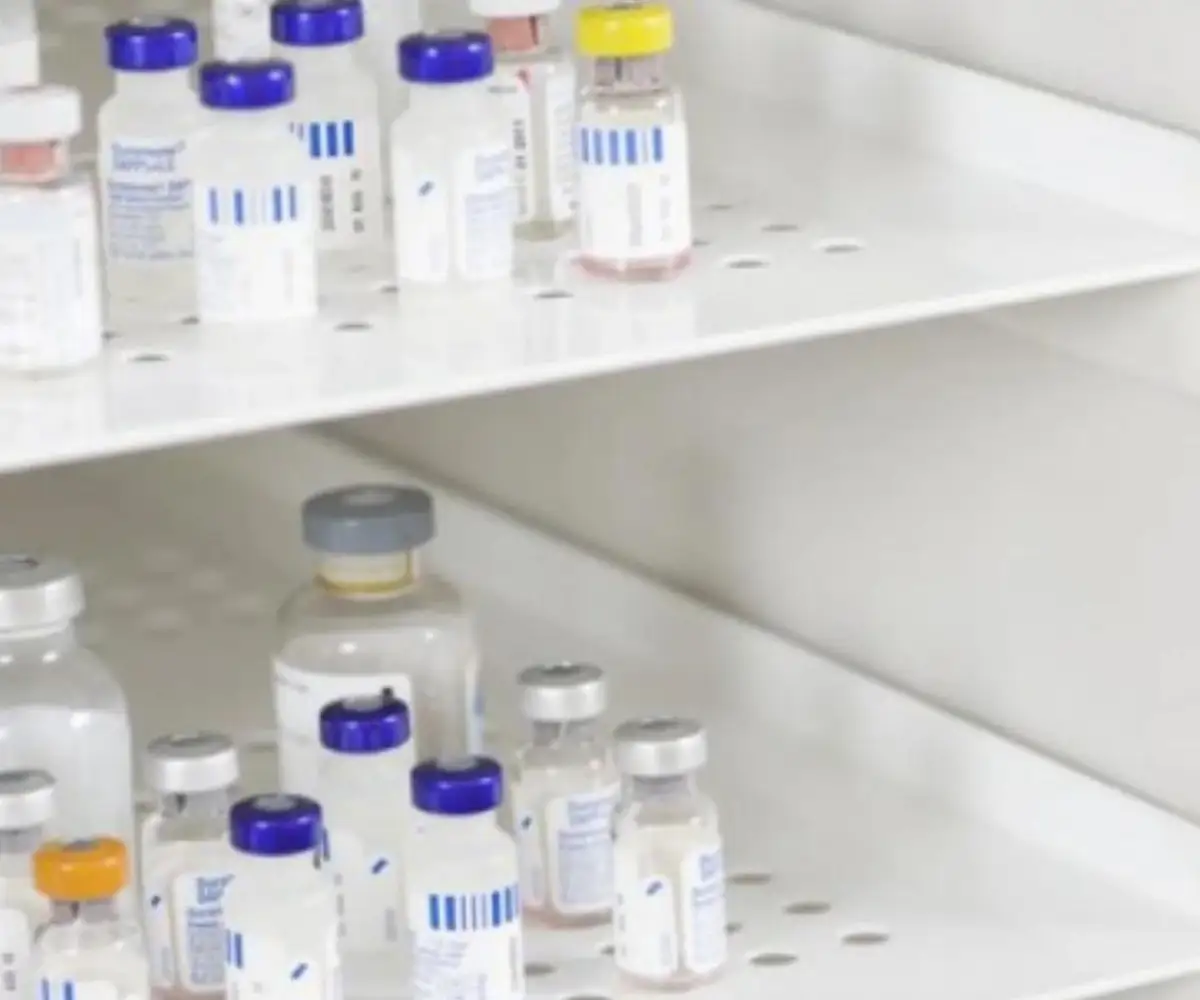
- Temperature sensitivity: some products need precise temperature control throughout the journey.
- Prioritization: allocating limited quantities across regions and facilities fairly.
- Documentation: tracking batches and dates so items remain traceable if needed.
- Timing: matching supply with market needs to avoid both shortage and oversupply.
What does good distribution look like?
Good distribution is not measured by the number of trucks, but by the system's ability to preserve product integrity, document every step, and respond quickly when any point fails. Transparency with partners and pharmacists about expected availability is a core part of that quality.
The last mile: from warehouse to your hand
The hardest part of medicine distribution is not sea or air but the final stretch between warehouse and pharmacy. It gathers every challenge of the longer journey: the product's need for specific conditions, narrow roads, demand that shifts between areas, and the precise timing short-shelf-life products require. A small mistake at this last station cancels the quality of everything before it.
The last mile is therefore managed at the level of its details: distribution schedules that respect product priority, vehicles suited to the load, intermediate storage points that shorten distances, and direct contact with pharmacies to know what they truly need. The goal is always the same: that the medicine arrives in exactly the condition it left its factory in.
The paperwork that protects you: why documentation matters
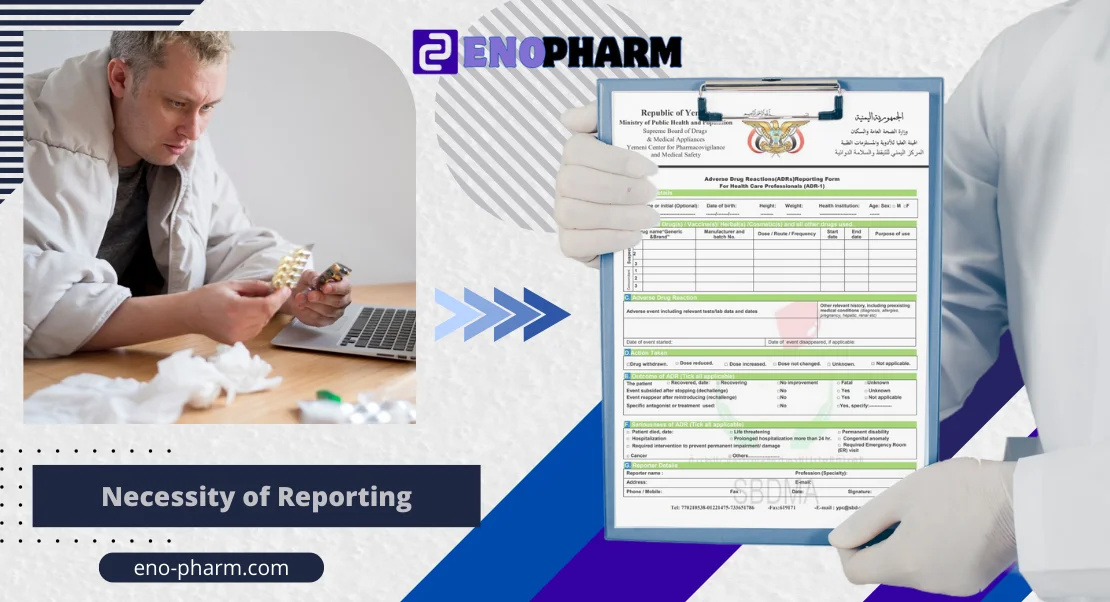
Invoices, supplier information, and batch numbers are not dry administrative steps — they are the protection chain itself. When a problem appears in a product, documentation settles in minutes questions that would otherwise take days: who shipped it, from which batch, who received it. Without documentation, recalls, tracing, and accountability become nearly impossible.
Patients have a role here too: keep your medicine invoices, never take a product that carries no clear source information, and start any doubt with the pharmacy. These small habits place you on the protected side of the market rather than the exposed one.
Related reading