





How heat affects the body
The body cools itself through sweating and widening blood vessels. When surrounding heat exceeds that capacity, body temperature starts to climb. Early signs include dizziness, headache, nausea, muscle weakness, and changes in alertness.
Practical protection
Simple early steps are more effective than any later intervention:
- Drink water regularly through the day — do not wait for intense thirst.
- Avoid direct sun at its peak, and use shade or a light head cover.
- Wear light-colored, loose cotton clothing.
- Pace outdoor physical activity and take regular breaks somewhere cool.
- Check on those around you: children and older adults may not show thirst or strain clearly.
When does it become an emergency?
Heat stroke is a medical emergency. Signs that require immediate medical help include: very high body temperature with severe dehydration, confusion or loss of consciousness, seizures, and hot dry skin with sweating that has stopped.
Who is most exposed to heat risks?
Bodies do not respond to heat equally. Young children and older adults adapt slowly to high temperatures; people with chronic conditions may be affected by the heat itself or by some medicines that influence fluid balance; outdoor workers and athletes carry a higher heat load from exertion. The shape of the risk therefore differs from one group to another — and so does what should be monitored.
If you care for someone in these groups — a small child, an older adult, a worker finishing a shift in the sun — active monitoring matters more than general advice: watch fluid intake, require shaded breaks, and do not always rely on how the person feels, because heat stress can cloud judgement before heavy sweating shows.
Medicines and heat: protecting the product and the person
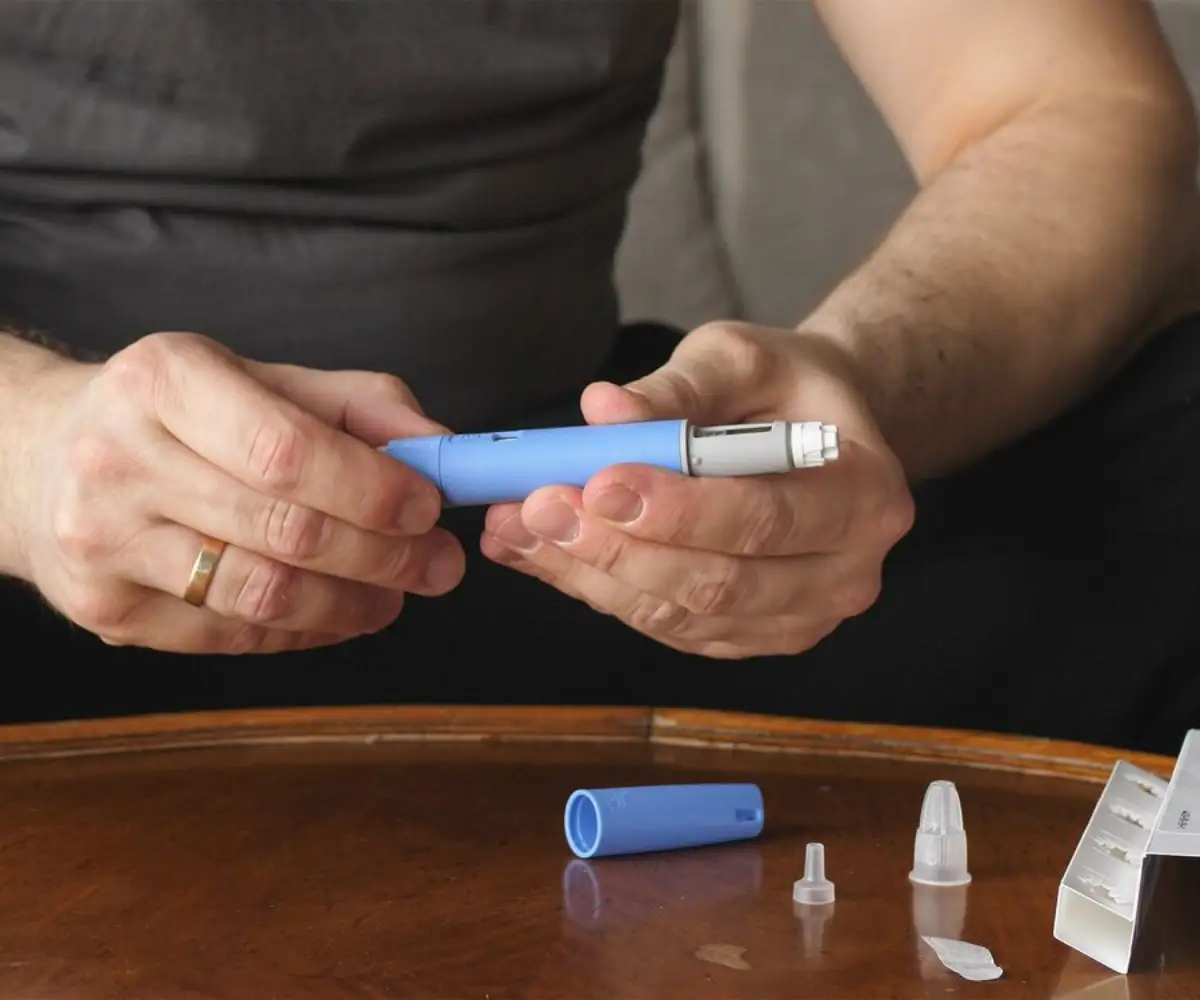
Heat is as much an enemy of medicines as of bodies. Leaving packages in a car, in direct sunlight, or near household heat sources can alter some products' properties — sometimes invisibly. Follow the storage conditions printed on the package, keep medicines in a cool, dry place away from the sun, and ask your pharmacist about any product that needs special handling.
Use has an important side too: some medicines can affect how the body copes with heat, and their users may need specific guidance during severe heat waves. Do not stop any medicine on your own because of the heat; ask your doctor or pharmacist how to manage the hot season while continuing treatment.
Related reading