







Understanding the condition first
The two most common types are Type 1 diabetes (often insulin-dependent) and Type 2 diabetes (often managed with nutrition, movement, oral medicines, and sometimes insulin). Anxiety after diagnosis is natural — but accurate information from reliable sources is the first management tool.
Pillars of daily care
Successful management rests on connected pillars:
- Regular follow-up: scheduled visits, and checks for sugar, blood pressure, lipids, kidneys, eyes, and feet.
- Balanced nutrition: regular meal times, reduced added sugars, attention to portion sizes.
- Physical activity: regular movement that helps the body use insulin effectively.
- Medication adherence: doses on time, adjusted only on medical advice.
- Foot and skin care: daily inspection, and attention to any wound that does not heal.
- Handling low-sugar episodes: knowing the signs, and carrying a quick sugar source.
When should you seek help?
Seek urgent medical help for: very high sugar with intense thirst, nausea, or rapid breathing; a sharp low with sweating and confusion that does not respond to sugar; or any unusual, worrying symptom. Discuss daily decisions with your health team — do not rely on other people's experiences.
Medicines in diabetes care: adherence, timing, storage
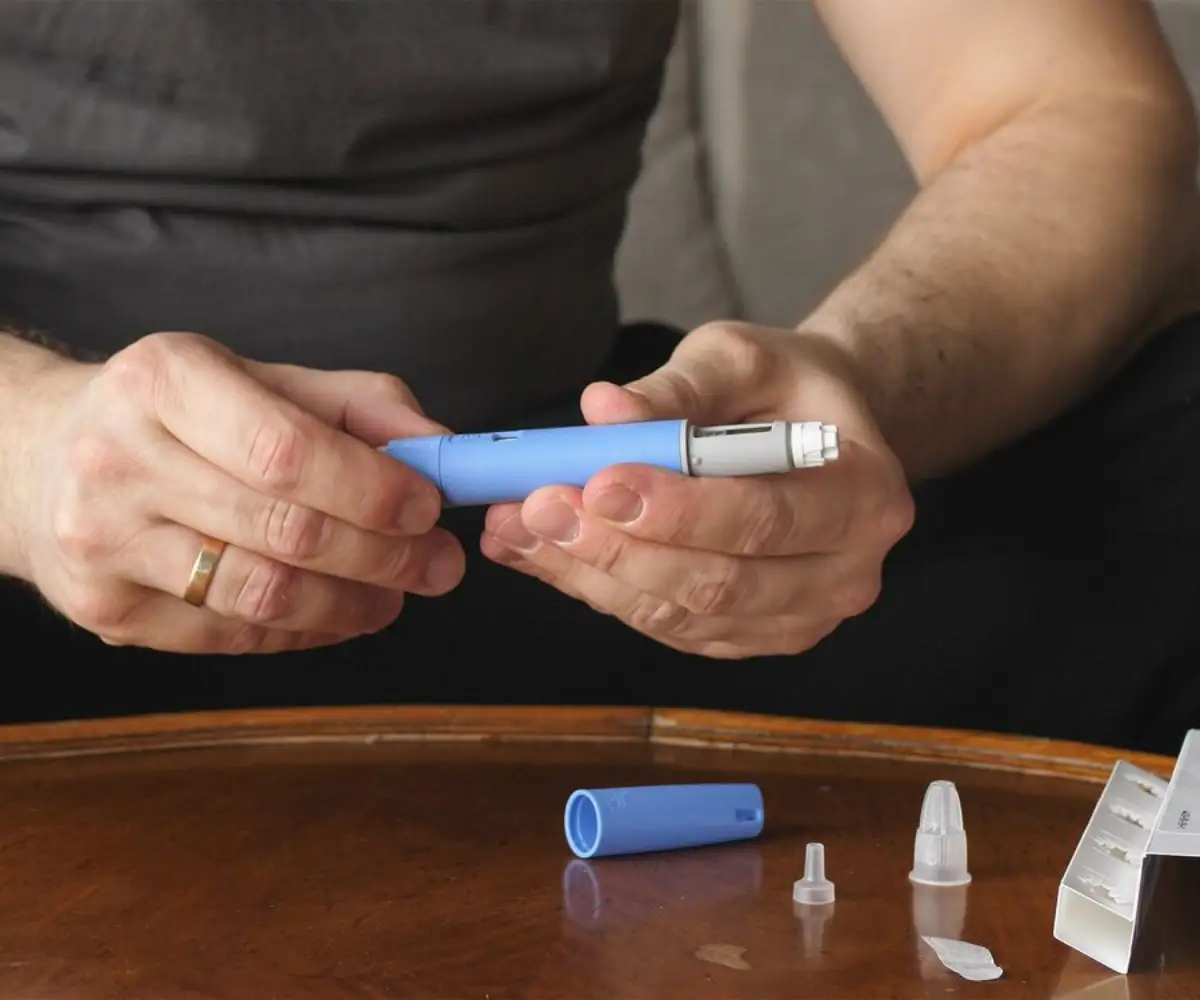
Diabetes medicines have specifics that make small details matter: timing is often linked to meals, consistent adherence is what builds day-to-day stability rather than intermittent doses, and some products need storage conditions specified on the label. Anchor your doses to fixed daily occasions, learn your medicine's missed-dose behaviour from your doctor or pharmacist, and never compensate doses with improvised decisions.
When any element of your routine changes — travel, fasting, new activity, an intercurrent illness — ask your doctor how to handle doses in that context before it happens, not after. Planned advance adjustment is far safer than improvised management once the situation arrives.
Sick days and routine follow-up
Any accompanying illness — even a mild cold — can change the body's needs and rhythms, so handling sick days is a topic to discuss with your care team before the season, not at the first fever: what to watch, when to reach out, and which decisions you should not make alone. That preparation lowers stress and prevents hasty decisions on a day that is tiring already.
Routine follow-up is not a formality; it is the chance to review the whole plan: medicines, new symptoms, adherence difficulties, and lifestyle questions. Every small change you mention at the appointment enables an early adjustment that prevents worsening noticed only late.