





What should you prepare?
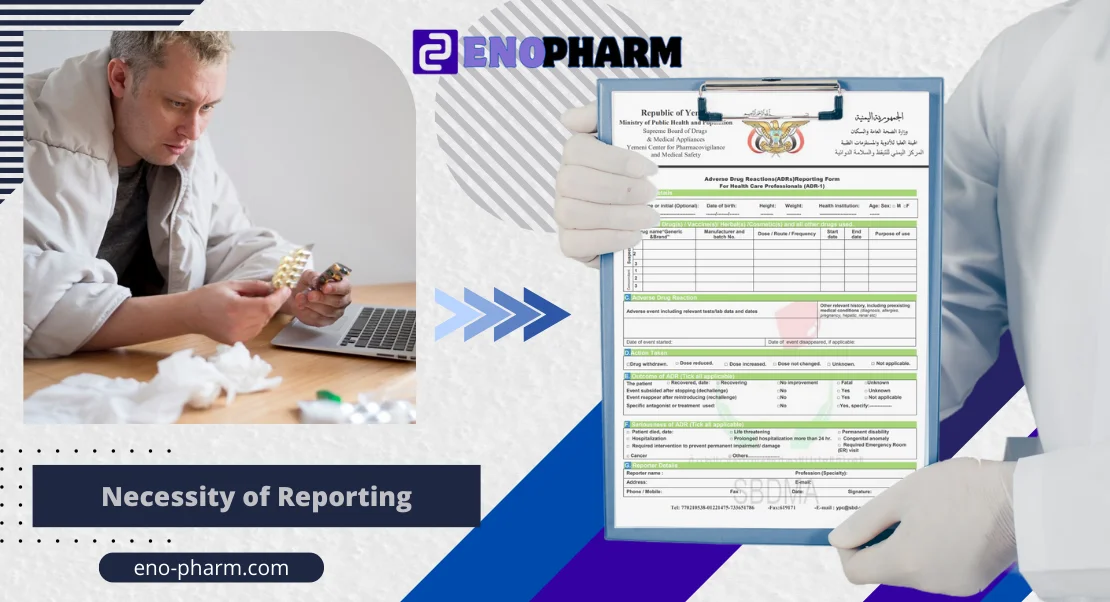
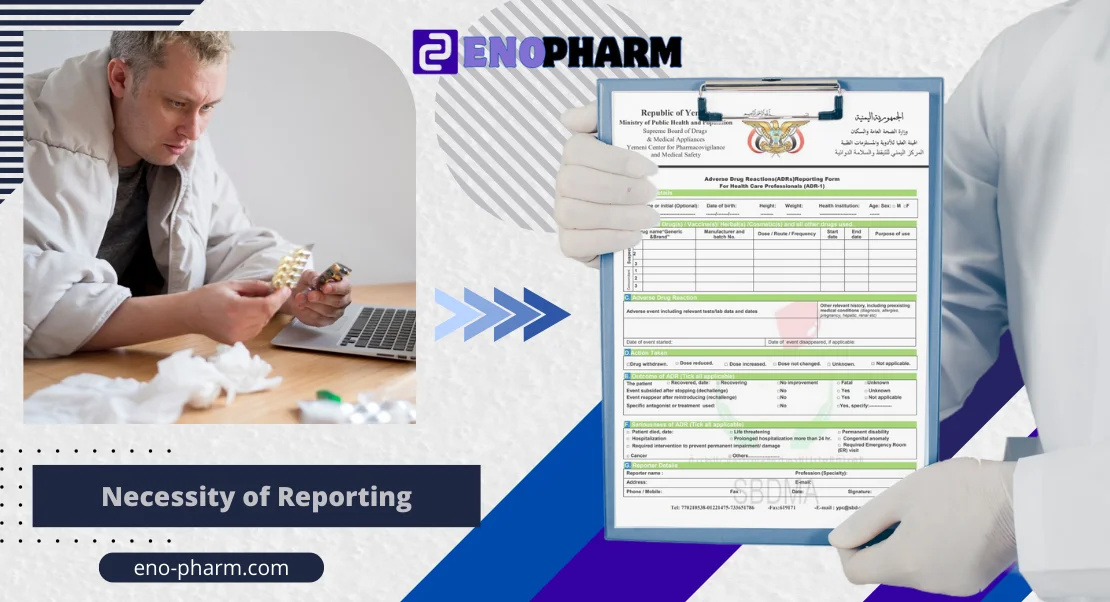
The more detailed the report, the more useful it is. Gather whatever you can of the following:
- The medicine name as on the package, and the active ingredient if known.
- Batch number and expiry date.
- The reason it was used (the treated condition), dose, and timing.
- Description of the reaction: what exactly happened, when it started, how severe.
- Other medicines or supplements you take.
- Was the medicine stopped, and did the condition improve afterwards?
What happens to your report?
The report is logged by the pharmacovigilance team, reviewed, and compared with others. Not every report receives an individual reply, but all feed periodic safety analysis. If a pattern emerges — the same reaction recurring — appropriate action follows, from leaflet updates to guidance.
What to include in your report — and what is not needed
A useful report rests on four pillars: who used the medicine with enough detail to assess the case (age and sex, for example), exactly which medicine with its dose and duration of use, exactly what appeared with its timing and severity, and what happened afterwards — improvement after stopping or continuation. These pillars make your report assessable rather than just an opinion.
You do not need to establish causality yourself, prove the medicine was the cause, or hold advanced medical knowledge. Reporting suspicion is a shared responsibility; analysis belongs to the system — be precise only about what you witnessed.
After you submit: what happens to your report
After submission you receive a reference number — keep it for any follow-up about the report. The report enters a review path: completeness assessment, aggregation with similar reports, and referral to competent authorities per requirements when needed. The outcome is not a personal promise but a piece of a larger picture built from many reports.
Do not expect a personal reply about your condition from the reporting channel; it is a surveillance channel, not therapeutic advice. If symptoms persist or are severe, your first path is your doctor or appropriate care — reporting runs parallel, not as a substitute.