






Core daily habits
Make these practices part of your routine:
- Take medicines at a fixed time tied to a daily habit, and use reminders when needed.
- Read the label every time — especially when brand or pack size changes.
- Do not split or crush tablets unless a professional tells you to.
- Take medicine with water unless told otherwise; avoid milk or juices without advice.
- Never use someone else's medicines, or give yours to anyone.
- Keep the leaflet and return to it whenever in doubt.
Safe storage and disposal
Storage should be cool, dry, and away from light, out of children's reach. Dispose of expired or unused medicines through pharmacies or approved take-back programs. Do not throw them in drains or household trash — some pharmaceutical materials harm the environment or invite misuse.
Multiple medicines: a routine that prevents chaos
Once your medicines exceed one or two, organisation becomes part of the treatment itself. Pick times that clash least with your daily pattern, anchor doses to fixed occasions — breakfast, bedtime — instead of shifting hours, and use phone reminders rather than memory on hectic days.
For households with more than one person on treatment: give each person a distinct place and box, and make the shared list the pharmacist's reference at every refill. These small arrangements prevent most swaps and unintentional doubling.
When something feels off
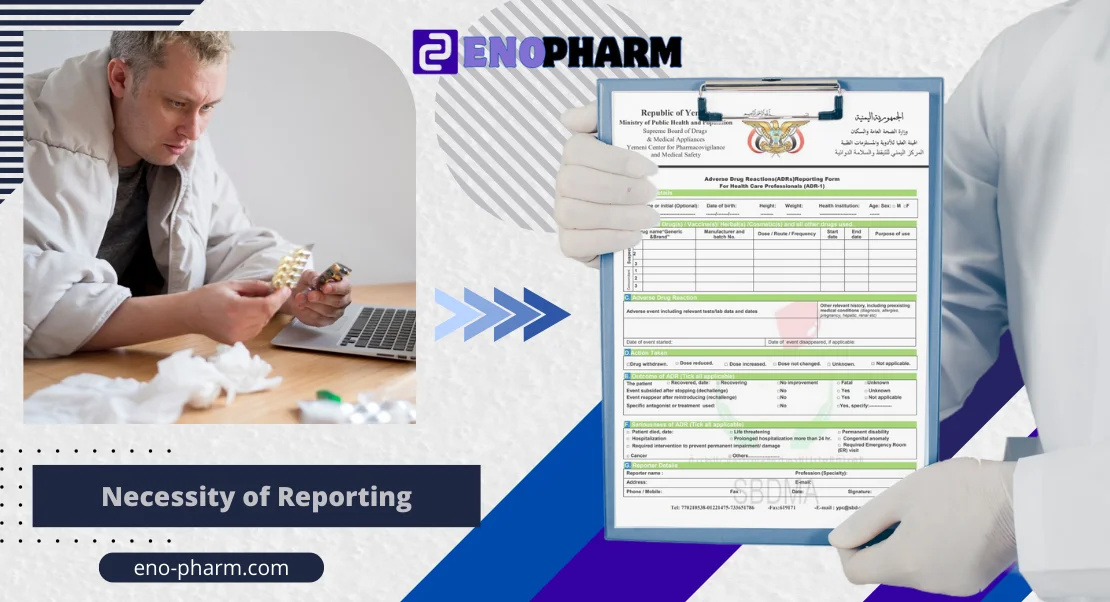
Sometimes danger shows not as clear symptoms but as a feeling: a medicine that looks different, a dose that hit you unusually, a package that does not match expectation. Do not dismiss that feeling — and do not act too fast in the opposite direction either, since suddenly stopping treatment can be the bigger mistake.
The right step sits between overreaction and neglect: document precisely what you noticed — what, when, and which pack — then contact the pharmacist or doctor. If the doubt is about the product itself, use the proper reporting channel after stopping use and keeping the package.
Related reading