

What changes inside the pack?
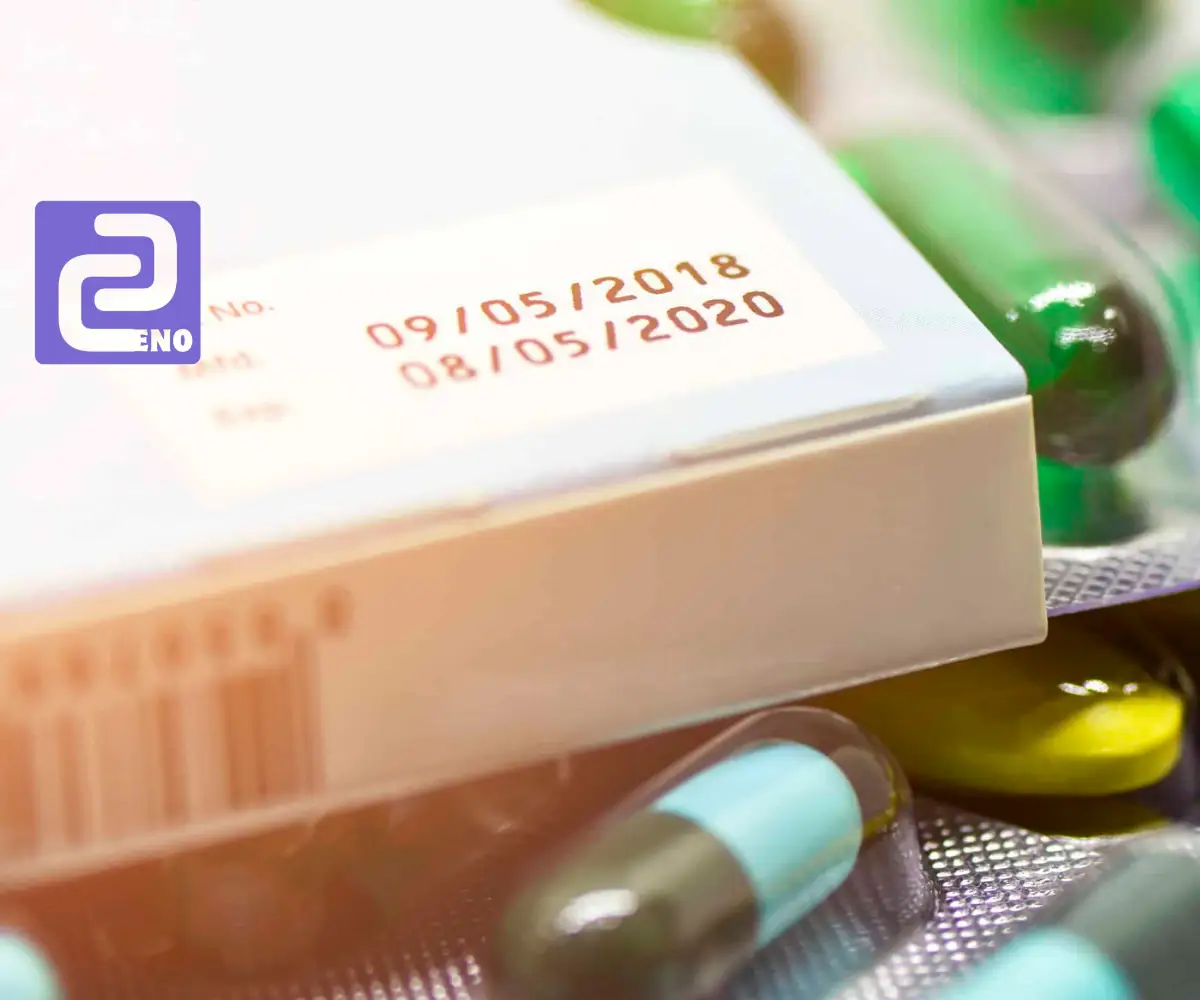
Over time, with heat and humidity, active molecules degrade: effectiveness can gradually drop, and breakdown products may form that are not wanted. The rate depends on the medicine type and storage conditions — which is why a product can look "fine" while its composition has changed.
Risk varies by medicine
Some medicines — injectable solutions, eye drops, insulin, critical heart and asthma drugs — degrade quickly and can become unsafe. Others may last longer, but the practical message is the same: no medicine is recommended after expiry, and available alternatives beat the risk.
Disposing of expired medicines safely
Disposal is not a toss into the bin; some products can reach water through waste or be picked up by curious hands. Safest is any official route: pharmacy take-back programmes or local collection points. When unavailable, the lower-risk method is destroying the contents — mixing with something unappealing like used coffee grounds — sealing them in a bag before throwing them out, and removing personal details from the package.
And remember disposal covers every form: leftover syrup, leftover creams, expired tablets. Anything unused with no clear future has one exit: safely out of your cabinet.
Why not keep expired medicines just in case?
The idea sounds logical: a relatively safe medicine might help in an emergency. But the real math is reversed: a product past its date may have lost effectiveness entirely and grant false confidence at a moment that cannot afford it, or have changed into something undesirable. In emergencies you need a medicine confirmed to work, not one that might.
Add the confusion risk: a cabinet full of expired items makes grabbing the right pack in a hurry more error-prone. A clean cabinet holding only what works is the fastest and safest when it matters.
Related reading