






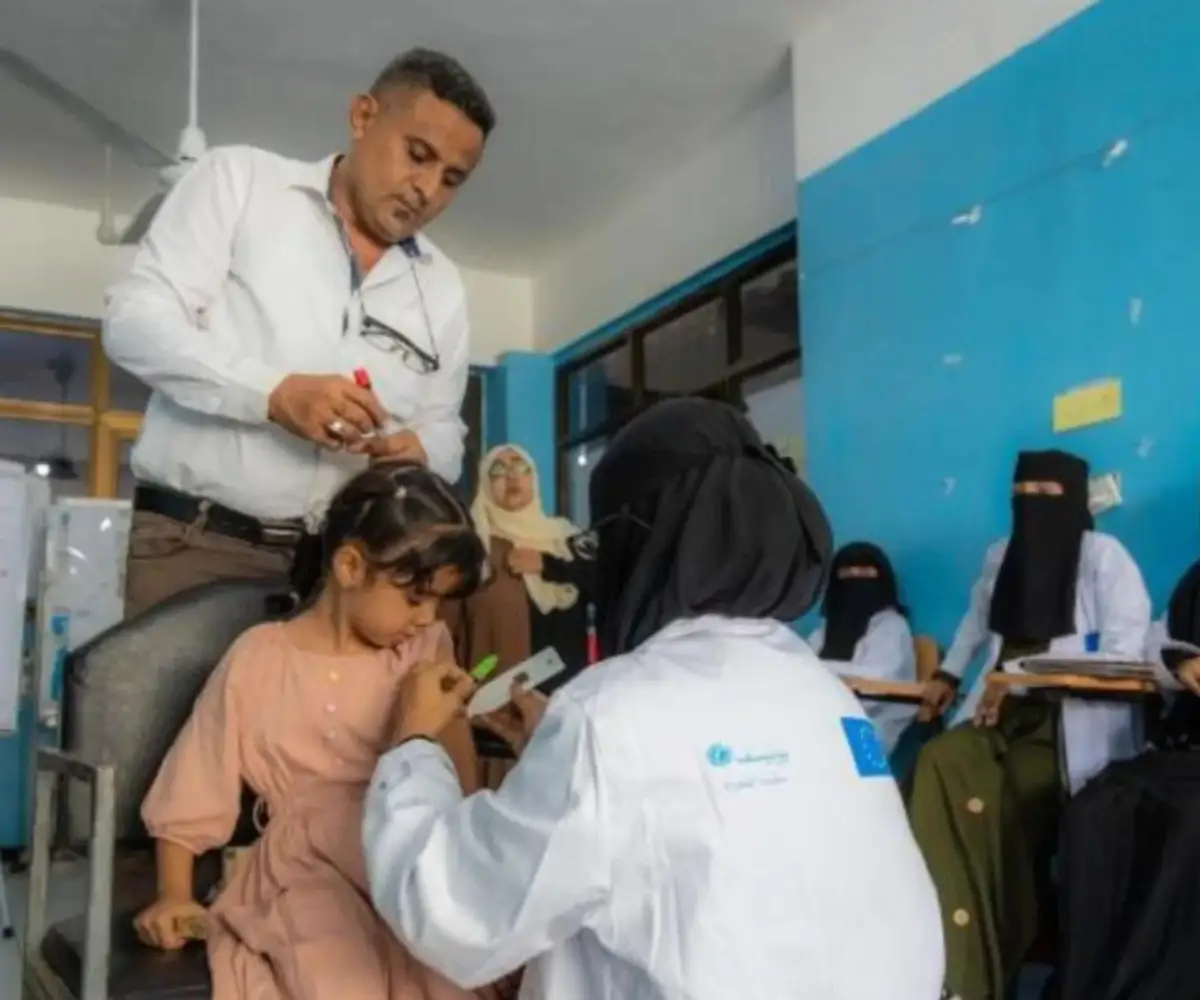

Health milestones across life stages
Priorities shift, but several elements stay important across stages:
- Routine screening: periodic check-ups based on age and family health history.
- Balanced nutrition — particularly iron (commonly deficient), calcium, and vitamin D.
- Regular physical activity and adequate sleep as foundations of general health.
- Mental health: chronic stress is a health condition that deserves care, not dismissal.
- Follow-up during pregnancy and after delivery per professional guidance.
- Awareness of natural changes with age, and not hesitating to ask about them.
Questions worth asking
Bring written questions to your appointments: which screening suits your age, any symptom persisting longer than usual, and how your medicines interact with supplements. Early consultation widens your options and reduces anxiety.
Medicines during pregnancy and breastfeeding: a general view and lasting caution
Pregnancy and breastfeeding are among the most sensitive periods for medicine use, because what the mother takes can reach the fetus or infant. The widely shared awareness rule: do not start, stop, or adjust any medicine during these periods without consultation — even supplements and herbs that look natural need review, because natural does not automatically mean safe.
Since some chronic conditions still need treatment during pregnancy, the right route is not a sudden stop but a review: the doctor examines current medicines and adjusts what is necessary to balance the mother's health with the fetus's safety. That balance is a medical decision built on your specific case — not general advice or other people's experiences.
Mental health is part of health — not a side note
A woman's life stages — youth, motherhood, the years after menopause — intersect with psychological shifts that can be as significant as physical ones. Chronic exhaustion, mood swings, and persistent anxiety are not states to endure in silence; they are signals worth raising in routine health follow-up like any other medical topic.
Raising these topics with a care provider is neither weakness nor luxury; it is the health system used correctly. Many conditions respond better when addressed early, and open dialogue helps separate a passing, normal stage from something that needs support or deeper follow-up.