




What you can check yourself
Before buying or using any medicine, check the following:
- The medicine name, active ingredient, and strength — clearly printed on the package.
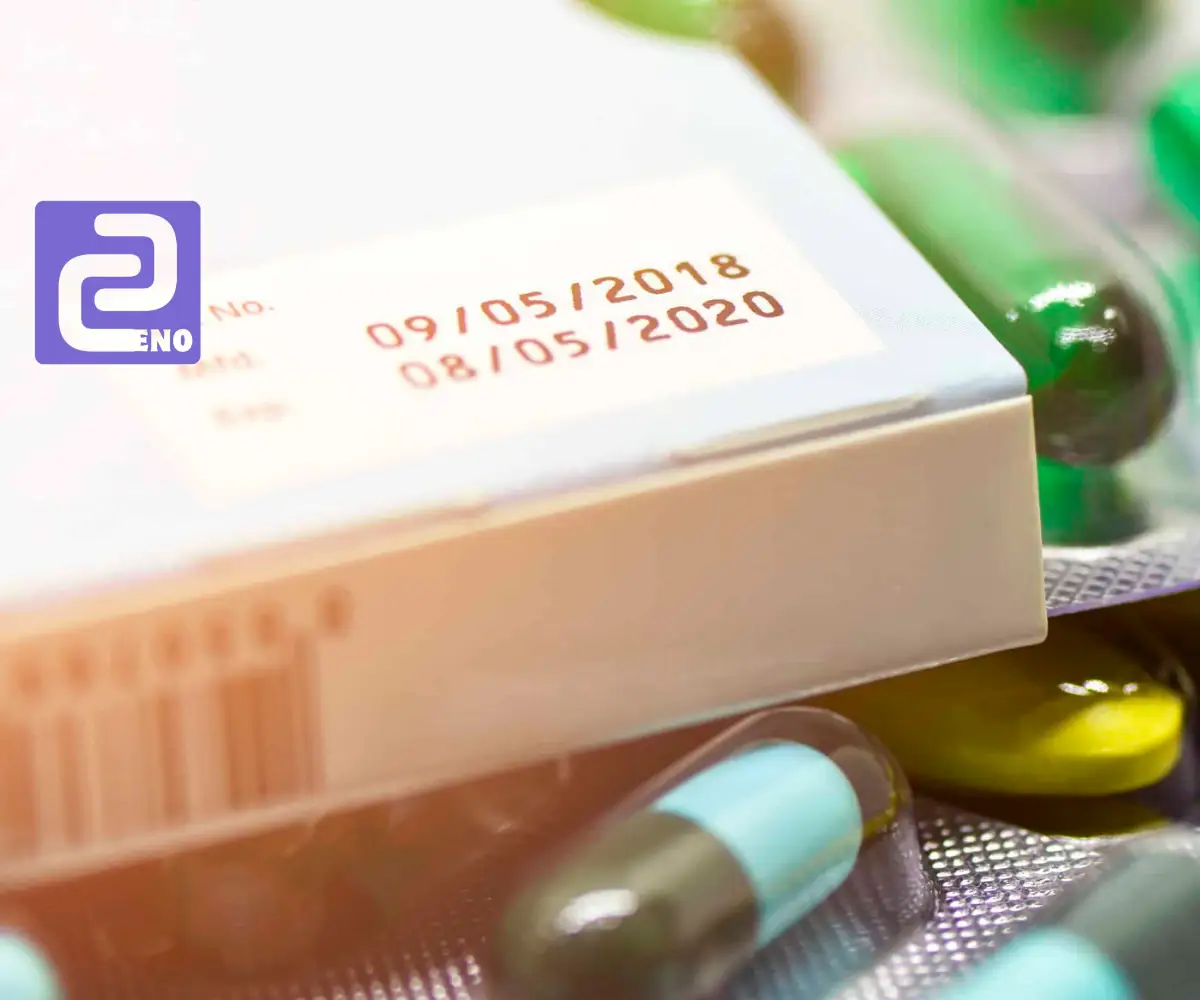
- Expiry date and batch/lot number — usually on the carton or pack.
- Packaging integrity: intact seal, unopened wrapping, box not damaged or damp.
- Manufacturer or importer details, and registration number where present.
- A label you can read, with clear usage and storage instructions.
- The contents match the outer description: tablet count, color, form.
The limits of visual checks
You cannot see a medicine's chemical composition, nor confirm how it was stored before reaching you. A visual check is a first step, not a final verdict. Buying from approved official sources remains the most important safeguard.
Reading the label: where to look first
The label is more than a brand name; it is your fastest source of correct decisions. Start with the active ingredient and its dose — that is what truly distinguishes one medicine from its look-alikes and prevents unintentionally doubling two products with different names. Then check the stated dose and directions for use, and read the label's warnings before anything else.
Do not ignore the small print: the batch number, the expiry date, and the manufacturer or supplier name. A missing item, faded printing, or oddly repeated characters is a signal worth raising at the pharmacy before purchase — not after.
When to stop guessing and ask
Visual inspection is a screening tool, not a verdict. If you find any of the following, do not complete the decision alone: a pack with no clear supplier information, a price wildly off the usual range, instructions unlike what your doctor knows, or a product arriving from anywhere other than a pharmacy.
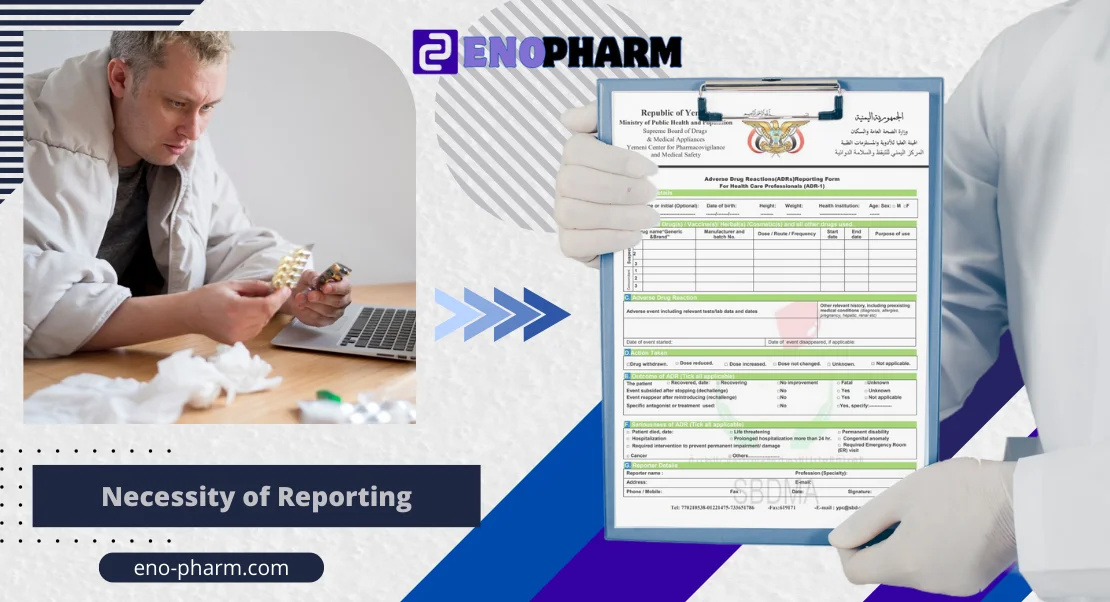
In all these cases, a conversation with the pharmacist — then the quality complaint channel if needed — is the fastest route to protecting yourself and those after you, because your report may uncover a problem larger than your single box.
Related reading