






Common effects vs. warning signs
Common effects are usually mild and appear early then fade — slight dizziness or mild stomach upset. Signs that require immediate medical help include:
- Sudden breathing difficulty or wheezing.
- Swelling of the face, lips, or tongue.
- Severe rash, or sores in the mouth or eyes.
- Yellowing of eyes or skin (may indicate a liver problem).
- Unusual redness, swelling, or pain in the legs.
- Sharp changes in mood or consciousness.
Handling mild effects
For expected mild effects, ask your pharmacist: Will it fade with continued use? Should the dose be taken with food? Is there a better timing? Keep notes to share with your physician at your next visit — such details help fine-tune treatment.
A side effect — or something else?
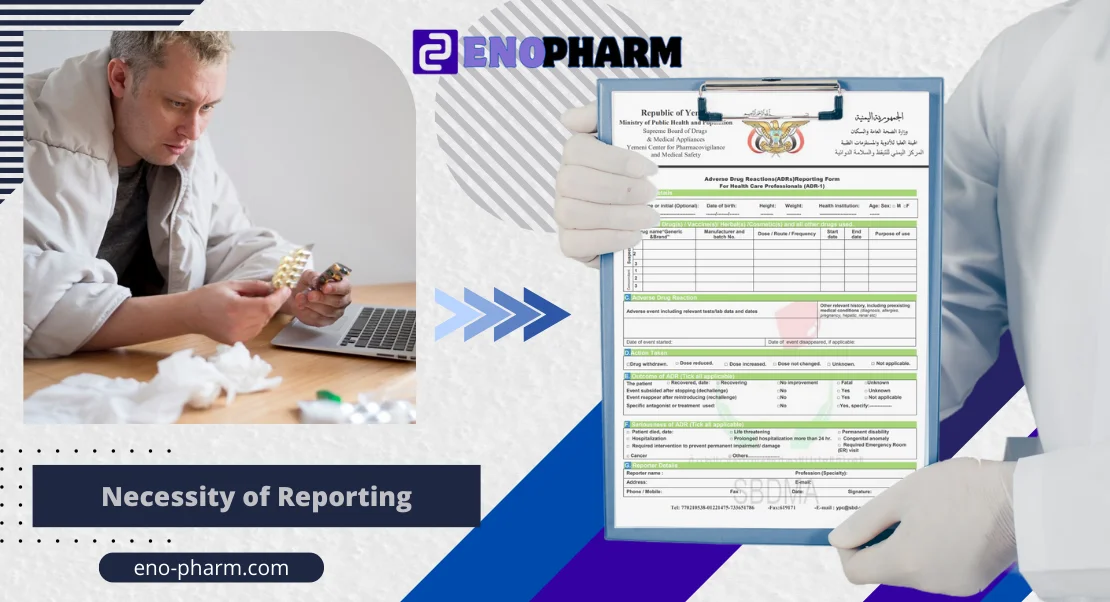
No one can issue an instant verdict here; symptoms during treatment may be a drug effect, part of the original condition, or a separate illness that arrived by coincidence. What helps the medical team is precision: exactly when the symptom began, after which dose, and what eased or worsened it.
So document before you call: timing, severity, and how it developed over days. That record turns your conversation from a vague description into assessable information and speeds the right decision — whether a dose change or confident continuation.
Reporting protects others too
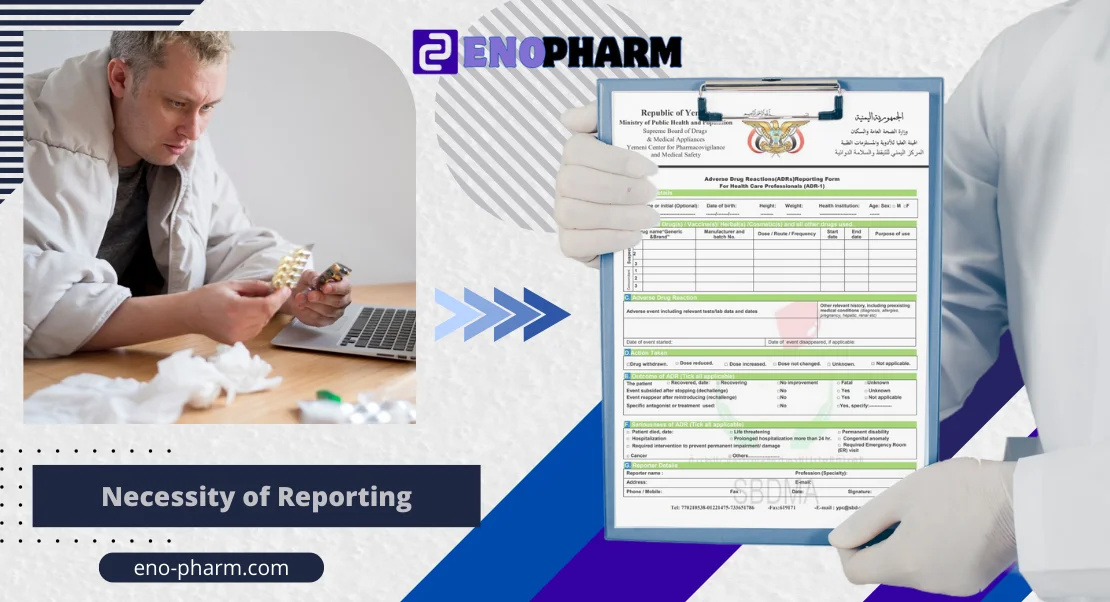
The effect you experience may be the first signal of a wider pattern. When you report a suspected side effect through the dedicated channel, you contribute to the medicine's real-world picture that protects other users who may not connect their symptoms to the medicine as you did.
Reporting is not an accusation against the medicine nor a complaint against a doctor; it is a neutral data point reviewed within the system. Many light reports today prevent severe surprises tomorrow.