



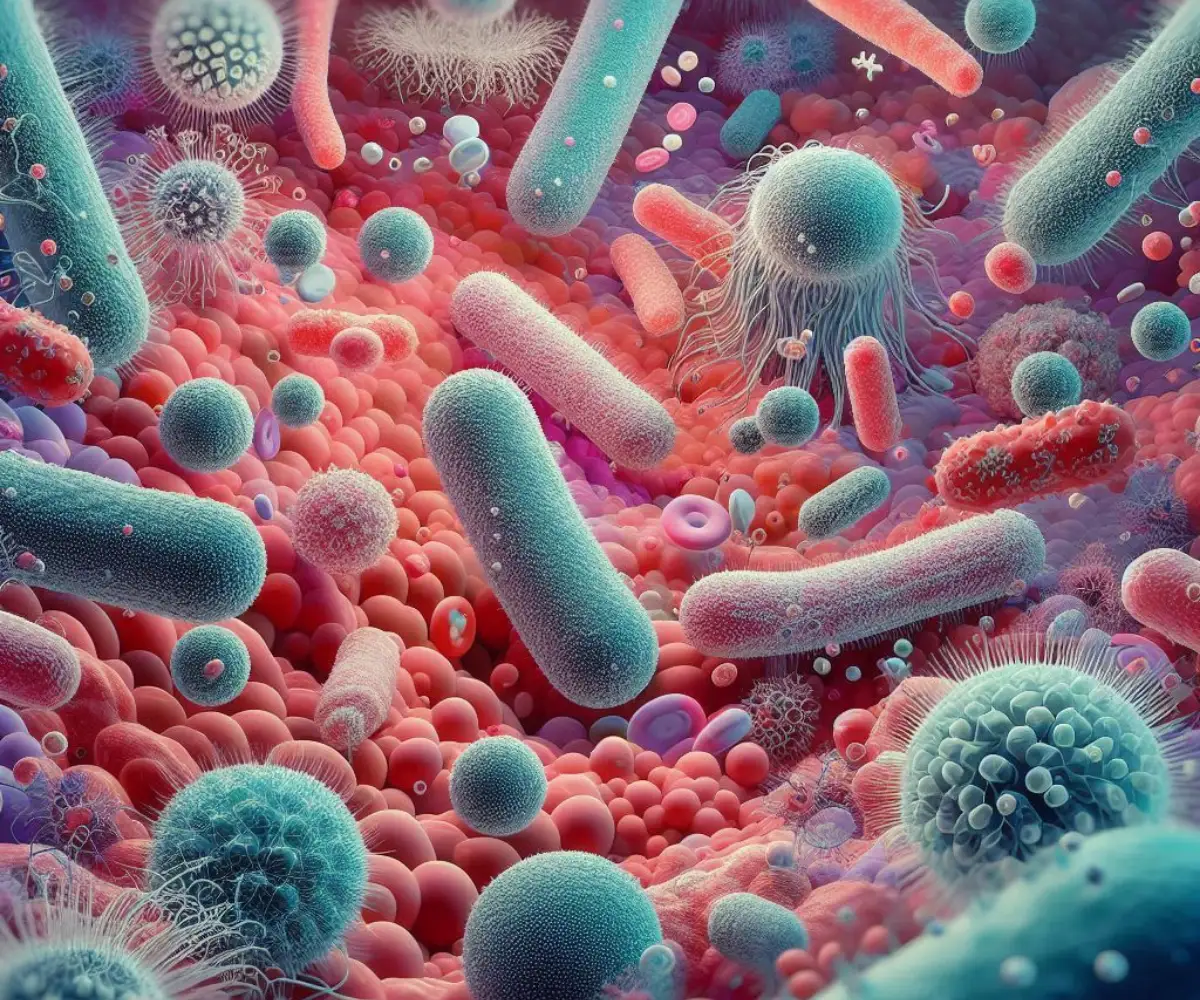
How does resistance develop?
Bacteria multiply quickly, and random mutations can give some of them the ability to survive an antibiotic. When a medicine is used without need, or stopped early, we kill the weak bacteria and leave the strongest to multiply. Over time, resistant strains spread through the community.
Five habits that slow the threat
The biggest change does not come from one decision, but from the sum of responsible daily habits:
- Use antibiotics only on a prescription, and avoid keeping leftover doses for later.
- Finish the course exactly as prescribed — do not stop early because you feel better.
- Do not ask for antibiotics for ordinary viral illnesses such as colds and flu.
- Prevention first: hand hygiene and vaccination reduce the need for antibiotics in the first place.
- Never share your dose with others, or use someone else's, however similar the symptoms seem.
What does a resistant infection mean?
A resistant infection means the usual treatment may fail, and the medical team may need alternative — often stronger or longer — therapy, or hospital care. That is why restricting antibiotics to genuine need is an investment in everyone's safety, not just the current patient's.
Why it concerns you even if you follow the rules
Resistance is a biological behaviour of bacteria, not a personal history with antibiotics. Resistant bacteria travel between people and environments just like any other bacteria, which means an infection you pick up — in a hospital, in the community, or while travelling — may already be resistant even if you have never taken antibiotics. That is precisely why resistance is a collective problem that individual behaviour alone cannot solve.
The threat does not stop at treating the infection itself. Many routine medical procedures — from surgery to treatments that weaken immunity — rely on effective antibiotics to guard against associated infections. As these medicines lose effectiveness, the risk of procedures once considered routine rises, and the effects extend across the whole health system.
What is actually within your control?
Resistance can look too big for one person, yet a large share of the solution sits in simple habits anyone can keep: never take an antibiotic without a prescription, never share your medicine, follow the exact dose and duration your doctor set, do not use leftovers from a previous course, and do not pressure a doctor for an antibiotic when they say the infection is viral.
Add infection prevention in the first place: hand washing, food safety, and routine vaccinations as advised by your doctor. Every infection that never happens is an antibiotic that is never needed, and bacteria get one less chance to acquire resistance. The awareness you share with your family — children especially — is part of the solution too.